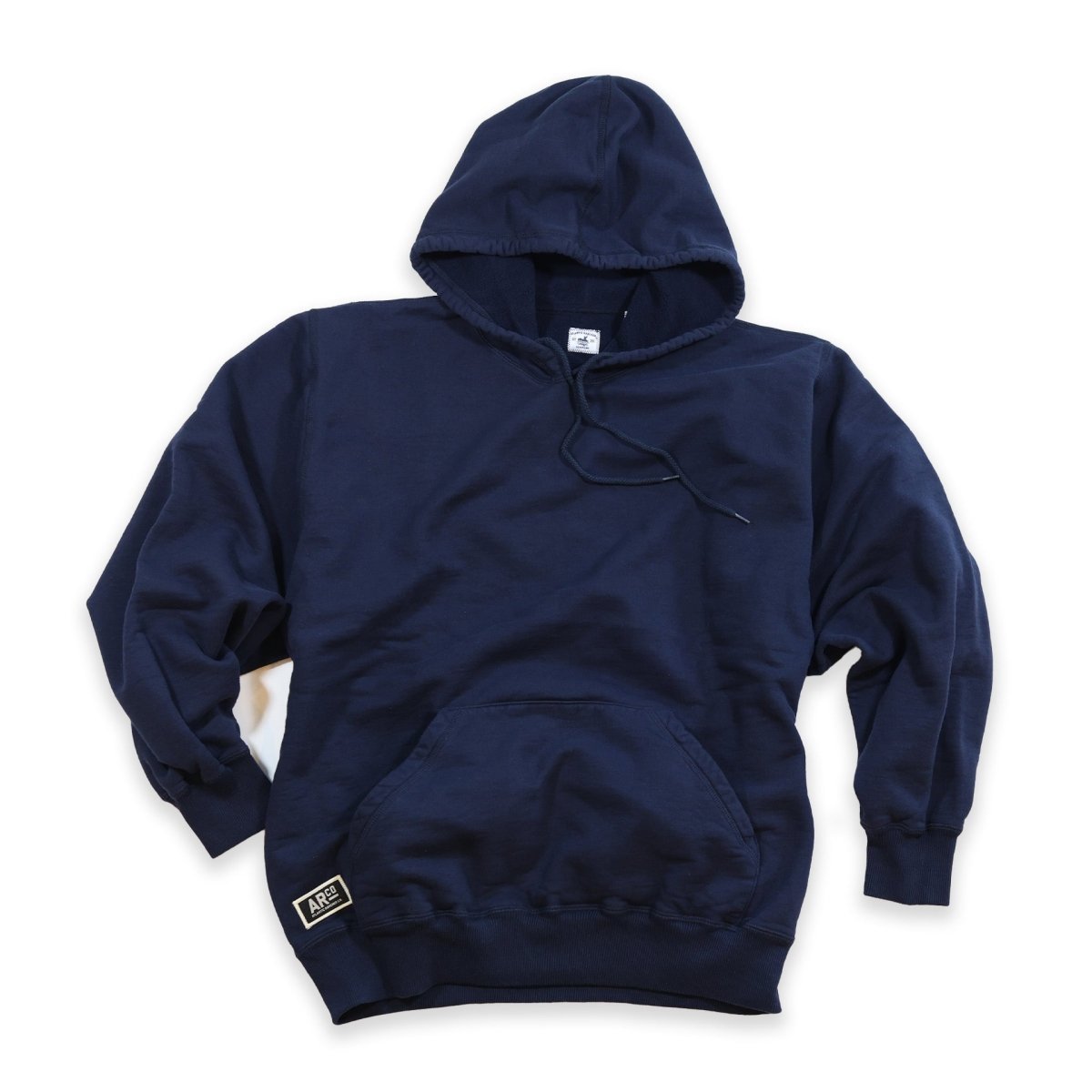


The first hour in a duck blind tells the truth about your clothing. You may start with a long hike through cattails, a boat ride across black water, or a handful of decoys in the predawn dark. Then you sit still as the wind builds. To layer clothes for duck hunting well, you need a system that handles both kinds of work: moving hard and waiting cold.
The goal is not to pile on every warm garment you own. Too much bulk makes it harder to mount a gun, turn for a crossing bird, climb into a boat, or stay comfortable through a long morning. The right layers manage moisture, hold warmth close to the body, and block wind and wet brush without turning you into a stuffed canvas sack.
Start With the Conditions, Not the Calendar
A 35-degree morning on a sheltered timber hole calls for a different setup than 35 degrees with a hard north wind on open marsh. Water, wind, exertion, and time spent sitting matter more than the number on the thermometer.
Before you dress, consider how you will hunt. If you are carrying decoys a half-mile, breaking ice at the boat ramp, or wading to a blind, plan for sweat during the walk in. If the hunt means a short ride followed by four motionless hours in layout blinds, put more emphasis on insulation and wind protection. A hunter who dresses for the walk but not the wait usually pays for it by shooting light.
Rain changes the equation, too. Light mist and wet cattails can soak an untreated outer layer over time. Steady rain demands a truly weatherproof shell, but even then, breathability matters. Moisture trapped inside your clothing will chill you once you stop moving.
The Three Layers That Matter Most
A dependable duck hunting clothing system has three jobs: move sweat away from skin, retain body heat, and stop weather from reaching the layers beneath. Those jobs are simple. Choosing the right weight for each one is where good judgment comes in.
Base Layer: Keep Skin Dry
Your base layer should fit close enough to move moisture but not so tight that it restricts circulation. Merino wool and quality synthetic fabrics are the sound choices here. Both dry faster and stay more useful when damp than cotton.
Avoid cotton long underwear and cotton T-shirts on cold hunts. Cotton feels familiar, but once it holds sweat or marsh water, it loses warmth and stays wet. That is tolerable for an hour around town. It is a poor bargain in a blind before sunrise.
For early-season hunts, a lightweight merino or synthetic top and bottom may be all you need under your field clothes. In late fall and winter, move to a midweight base layer. If your feet run cold, start with wool socks and leave room in your boots. Socks cannot insulate properly when boots are packed too tight.
Mid Layer: Build Warmth Without Losing Mobility
The mid layer is your insulation. It should trap warm air while allowing enough movement to shoulder a shotgun cleanly. A wool sweater, substantial fleece, or insulated shirt-jac is often more useful than a bulky coat worn under another bulky coat.
Wool earns its place in a duck camp because it remains warm when conditions turn damp, resists odor well, and holds up to years of hard use. A heavy wool sweater is particularly good for slow, cold hunts where you are mostly sitting. Fleece is lighter and dries quickly, which can make it the better option for hunters who walk, paddle, or haul gear before settling in.
On moderate days, one capable mid layer is enough. On bitter mornings, use two lighter insulating pieces instead of one oversized garment. A lightweight fleece over a wool shirt, for example, lets you remove or add warmth without sacrificing the reach and rotation needed to work birds.
Outer Layer: Stop Wind, Water, and Brush
Your outer layer is the working face of the system. It needs to handle wind across open water, wet vegetation, muddy boat floors, and the constant abrasion of blind walls, decoy bags, and dog stands.
The best outer layer depends on the weather and the kind of hunting you do. Dry-wax cotton is a strong choice for cold, windy days with intermittent moisture. It is durable, quiet, and naturally suited to the rough use that comes with field work. A hard rain shell is the better answer when the forecast calls for sustained rain or wet snow.
A shell should have enough room for your insulating layers, but not so much that cold air pumps through every time you move. Pay attention to the shoulders and elbows. If the jacket binds when you raise your arms, it will be a nuisance every time birds work close.
How to Layer Clothes for Duck Hunting by Temperature
There is no single outfit that covers every hunt, but these field-tested starting points make it easier to adjust.
For mild early-season mornings, roughly 45 to 60 degrees, wear a lightweight base layer, a durable field shirt, and a weather-resistant outer layer if rain or wind is expected. You may be more comfortable starting slightly cool than sweating on the walk in.
For the common 30- to 45-degree hunt, use a midweight base layer, a wool sweater or fleece, and a wind-resistant jacket. Add a warm hat and gloves before you get cold, not after. Your hands may be busy with calls, shells, dogs, and decoys, so choose gloves that provide warmth without making fine tasks clumsy.
Below freezing, start with a heavyweight base layer, add two adjustable insulating layers, and finish with a shell that blocks wind. Insulated bibs can make a real difference for long sits, especially in boats and blinds where cold comes up through the floor. They also protect the lower back when you bend, kneel, and haul equipment.
These ranges are only a starting point. A calm 28-degree day can feel manageable in modest layers. A damp 38-degree morning with a 20-mph wind can cut through a man who dressed for the thermometer alone.
Do Not Forget the Places Heat Escapes
A good jacket cannot make up for cold feet, wet hands, or an uncovered head. These areas deserve the same planning as your torso.
For feet, wear merino wool socks and boots that are warm enough for the water temperature and roomy enough to preserve circulation. Many hunters make the mistake of adding multiple pairs of thick socks, then lacing boots so tightly that their feet get colder. One appropriate wool sock and a properly insulated boot usually performs better.
For hands, carry more than one option when conditions are harsh. A warmer pair for setting decoys and waiting can live in a pocket while a thinner, more flexible pair handles calling and shooting. If gloves get wet, having a dry backup is worth far more than it costs in pack space.
A wool watch cap or lined cap holds a surprising amount of warmth. A neck gaiter also earns its keep on windy water, but keep it low enough that it does not interfere with your cheek weld or vision when birds are overhead.
Manage Sweat Before It Becomes a Problem
The most common layering mistake happens before the hunt begins. A hunter puts on every layer at the truck, hikes in carrying gear, and arrives at the blind damp with sweat. Once he sits down, that moisture begins pulling heat away.
Instead, travel in lighter layers when the walk or work is demanding. Keep your insulating layer or heavier jacket accessible in a dry bag, boat box, or pack. Put it on when the physical work is finished. This takes a little discipline, especially when the air bites at the truck, but it pays off when the wind comes up an hour later.
Vent when you can. Unzip the jacket during a decoy haul, loosen a neck gaiter, and take off your hat for a few minutes if you are overheating. The best clothing system is not the warmest one. It is the one you can regulate without stopping the work.
Choose Gear That Still Works After the Hunt
Duck hunting clothing gets dragged across boat ramps, rubbed against brush, stained with mud, and exposed to blood, feathers, and dog hair. It should be built for that life. Look for tough stitching, functional pockets, dependable zippers, and fabrics that gain character with use rather than give up after one hard season.
Atlantic Rancher builds its field-minded clothing around that same expectation: dependable materials, useful construction, and a look that does not need to be retired when the hunt ends. A good waxed outer layer or wool sweater belongs as naturally at the dock, shop, or camp table as it does in a blind.
Pack for the hunt you have, but leave room to adjust for the hunt that develops. When the weather turns, dry layers and a little forethought can keep you focused on the sound of wings instead of the cold creeping in from every direction.