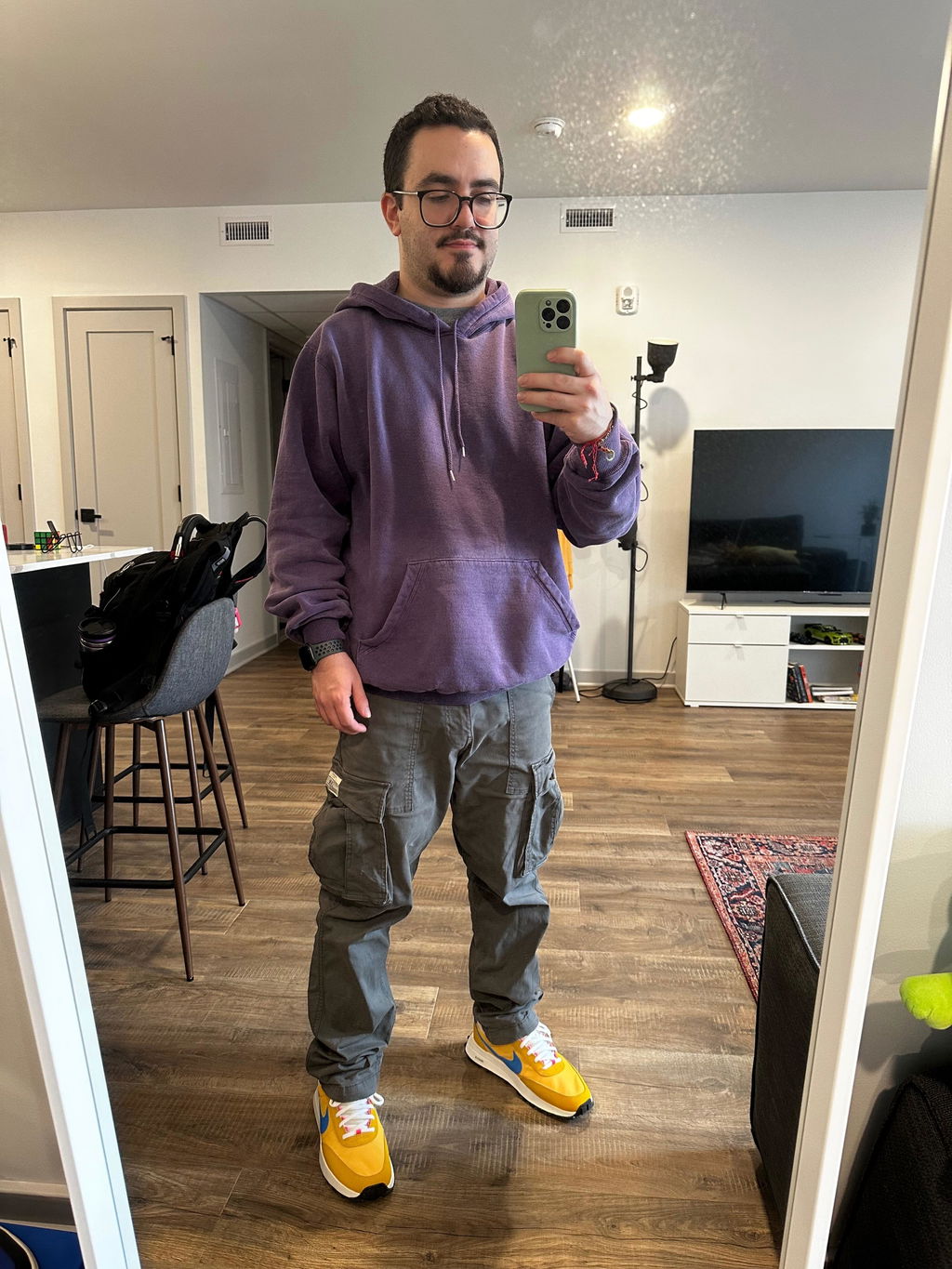


A pair of pants can be made from tough canvas, well-cut denim, or weather-ready fabric and still spend most of its life hanging in the closet if the fit is wrong. Too tight through the thigh, and climbing into a truck or kneeling at a workbench becomes a chore. Too loose in the seat, and even a solid belt cannot make them feel right. This men’s pant fit guide breaks down what a dependable fit looks like when your day calls for more than standing still.
The right fit is not about chasing a trim silhouette or buying the biggest size for extra room. It is about getting enough space to move, enough structure to keep the pants in place, and a length that works with the boots you actually wear. A good pair should feel settled from the first hour and better after a long day in the field, shop, boat, or backyard.
Start With Your Real Waist Measurement
Your pant size is a useful starting point, not a sworn statement. Many men own pants labeled with the same waist size that fit very differently because brands measure and cut differently. The most reliable approach is to measure the part of your body where you naturally wear your pants, usually around the top of the hip rather than the narrowest point of your torso.
Stand relaxed, breathe normally, and run a tape measure around your waist without pulling it tight. If you are between sizes, consider how the pants will be used. A heavier work pant may loosen slightly after several wears, while a pant with minimal stretch may need a little more room from the start. If you carry tools, a phone, or a knife in your pockets, leave enough room for that daily load.
The waistband should sit securely without a belt, but it should not pinch. You should be able to slide two fingers inside the waist comfortably. A belt should support the fit, not rescue it. If your pants only stay up when the belt is cinched hard, the waist is too large. If the button pulls or the waistband digs in when you sit, it is too small.
The Men’s Pant Fit Guide to Rise, Seat, and Thigh
These three areas determine whether pants feel capable or confining. They matter more than a label such as slim, straight, or relaxed.
Rise: Where the Pants Sit
Rise is the distance from the crotch seam to the top of the waistband. It affects where pants sit on your body and how much room you have when sitting, bending, or stepping over a fence rail.
A low rise sits below the natural waist and tends to work best for casual wear with a close-fitting shirt. It can look clean, but it often leaves less room through the seat and crotch. That is a trade-off when your day includes driving, squatting, or climbing.
A mid rise is the most versatile choice for most men. It generally sits around the hip and provides a balanced, natural fit for everyday work and off-hours wear. A higher rise offers more coverage and can be especially comfortable for men who spend long hours seated, wear suspenders, or prefer a traditional workwear profile. The goal is simple: when you sit down, the waistband should stay in place rather than sliding low in the back.
Seat: Enough Room Without Sagging
The seat should follow the shape of your body without pulling tight across it. Look in a mirror from the side and back, then move around. Horizontal strain lines across the seat mean the pants are too tight. Excess fabric that folds or hangs below the seat usually means they are too large or cut too generously for your build.
A proper seat lets you crouch, climb stairs, and get behind the wheel without feeling the fabric bind. It should also keep your pockets where they belong. When rear pockets flare open or pull sideways, the seat is asking too much of the fabric.
Thigh: The Test Most Pants Fail
For men with an athletic build, a working build, or simply strong legs, the thigh is often the deciding factor. Pants may fit at the waist but feel like a vise above the knee. Sizing up can add room, but it may also leave the waist and seat sloppy.
Instead, look for a straight or relaxed cut with room through the upper leg. You do not need fabric flapping in the wind. You need enough clearance to take a full stride, kneel, and sit without the pant leg catching high on the thigh. Pinching at the inseam or deep tension lines running from the crotch toward the knee are clear signs to choose a roomier cut.
Choose the Leg Cut for the Job
The lower leg changes both the look and usefulness of a pant. There is no single best cut. The right choice depends on your build, footwear, and what you plan to do in them.
A slim fit tapers from thigh to hem. It can work well for lean builds and light everyday wear, especially with low-profile shoes. For hard use, however, a slim leg may feel restrictive over work boots or when layered over long underwear in cold weather.
A straight fit maintains a more consistent width from the thigh through the hem. It is the dependable middle ground: clean enough for town, practical enough for the truck, and usually easy to wear with most boots. For many men, this is the cut that earns the most wear because it does not demand much thought.
A relaxed fit offers more room through the seat and thigh, often with a fuller leg opening. It is a good choice for physical work, long drives, layering, and men who prefer a traditional work-pant feel. The trade-off is that too much fabric can bunch at the boot or catch on brush, pedals, and gear. Relaxed should mean mobile, not baggy.
Boot cut pants flare slightly from the knee down to cover larger boot shafts. They make sense if you regularly wear pull-on work boots, western boots, or taller hunting boots. If you wear lace-up boots with a narrower profile, a straight leg is usually easier to manage.
Get the Inseam Right With the Boots You Wear
Inseam is the measurement from the crotch seam to the hem. It is tempting to judge it while barefoot or wearing sneakers, but pants built for outdoor and working life should be tried with your usual boots.
A full break means the fabric folds noticeably over the front of the boot. It offers a traditional look and a bit more coverage in wet grass, but too much break creates a pile of fabric that wears out faster and collects mud. A slight break gives the hem a small crease at the boot and works well for most straight-leg pants. No break leaves the hem just above the boot, which looks sharper but may feel short once you sit or step up.
For a hard-wearing pant, a slight break is usually the sound choice. The hem should clear the ground at the heel and rest naturally on the boot without dragging. If you move between deck boots, work boots, and casual shoes, choose the length for the boot you wear most often. A pant cannot be the perfect length for every shoe.
Test the Fit Before You Commit
A fitting-room mirror will not tell you how pants behave after eight hours. Put them through a few honest movements before you remove the tags. Sit down as if you are driving. Squat as if you are picking up a cooler. Step up onto a bench or stair. Reach for something above shoulder height.
Pay attention to where the pants resist. Restriction in the crotch points to an issue with rise or thigh room. A waistband that slides down when you bend may be too large, too low, or shaped poorly for your body. Fabric twisting around the leg can mean the cut is not sitting correctly.
Also check the pockets. Front pockets should lie flat and allow you to reach what you carry. Rear pockets should not sit so low that a wallet becomes uncomfortable when driving. On a well-built pant, utility is part of the fit, not an afterthought.
Account for Fabric, Shrinkage, and Break-In
Not every pant behaves the same way after purchase. Denim and cotton canvas can soften and give a little in high-movement areas. Some fabrics shrink if washed hot or dried aggressively. Stretch blends often recover well, but their long-term feel depends on the quality and amount of stretch fiber used.
Read the care instructions before deciding whether a close fit is acceptable. If a pant is made from rigid cotton and feels tight on day one, do not assume it will transform into a comfortable work pant. A modest break-in is normal. Discomfort is not. For pants you plan to keep for years, start with a fit that works now and care for the fabric accordingly.
Atlantic Rancher builds for men who expect their clothing to see salt air, sawdust, road miles, and regular use. The best pair of pants is not the one that looks right while standing still. It is the pair you forget about once the work begins - until you notice, years later, that it has held its ground.
Choose the cut that lets you move honestly, wear it hard, and let the fabric tell the rest of the story.