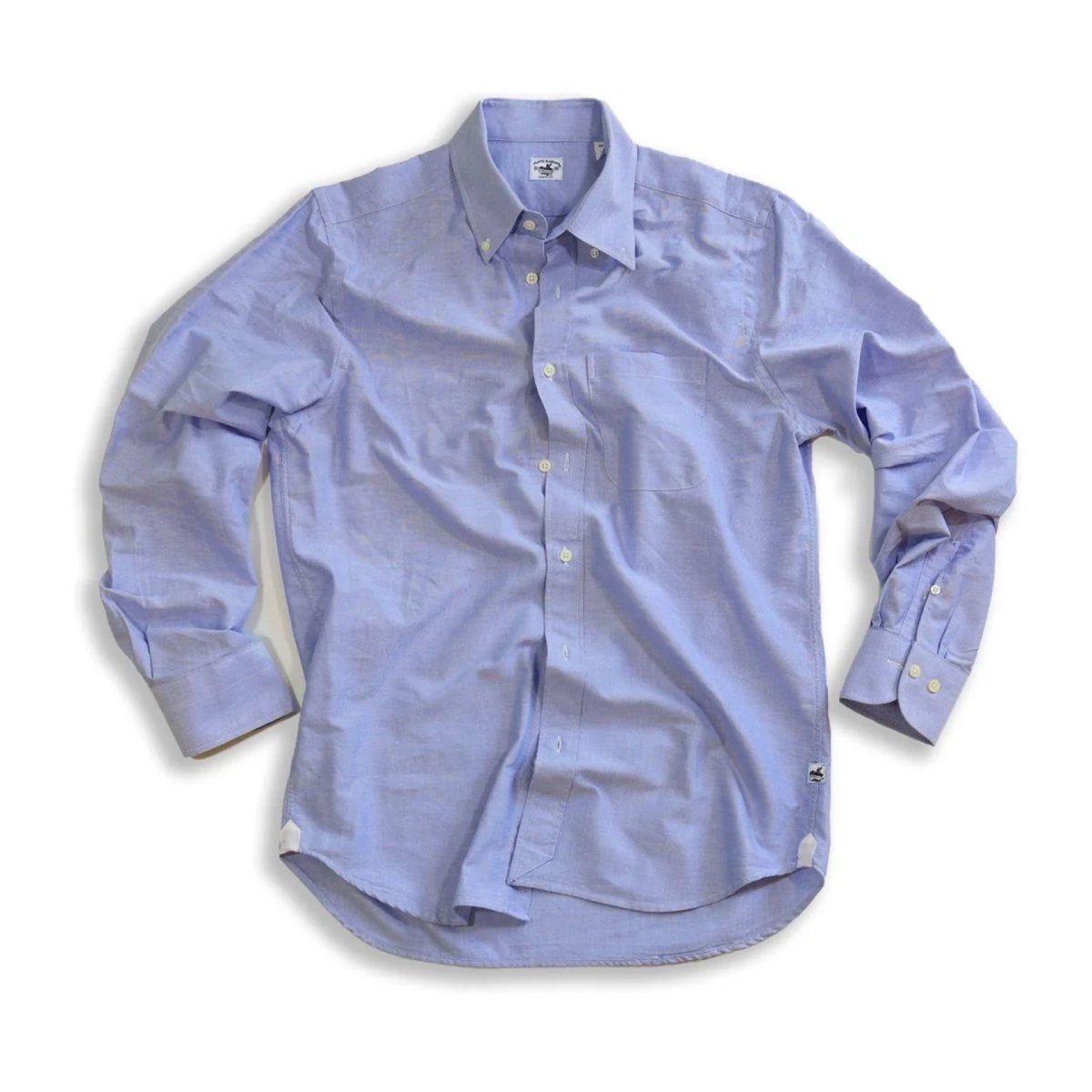


A good fall overshirt earns its place before the first real cold snap. It is the layer hanging by the door when there is wood to stack, a boat to cover, a dog to walk, or a long day ahead in the shop. The best overshirts for fall workwear are not chosen for a clean catalog photo. They are chosen because they take abrasion, block a little wind, carry what needs carrying, and still look right over a henley when the work is done.
That makes an overshirt different from a lightweight flannel and less cumbersome than a full work jacket. It should have enough body to wear as outerwear through a changing fall day, while leaving enough room to layer when the temperature drops. The right one gets better with wear. The wrong one stays in the truck because it is too thin, too stiff, too short, or too precious to put to honest use.
What Makes an Overshirt Worth Working In
Start with the job, not the color. A man splitting kindling in coastal wind needs something different from a man moving between a jobsite, a pickup, and town. Still, the same fundamentals separate a useful overshirt from a shirt that only looks the part.
The fabric needs substance. Midweight cotton twill, heavy brushed cotton, wool blends, and waxed cotton each have a place, but they do not behave alike. A tightly woven cotton twill resists snags and takes repeated washing well. Brushed cotton brings welcome warmth and comfort against the skin, though it can hold moisture longer after a wet morning. Wool keeps insulating when damp and handles cool, dry weather beautifully, but it may ask for more careful laundering. Dry-waxed cotton gives you a useful measure of wind and water resistance without the crinkly feel of modern rain gear.
Construction matters just as much. Look for reinforced seams at the shoulders and side seams, sturdy cuffs, and buttons that can be worked with cold fingers. Metal snaps are quick and dependable around gloves, while substantial buttons are easier to repair in the field if one finally gives up after years of service. Neither is automatically better. It depends on whether speed or traditional repairability matters more in your daily routine.
A proper work overshirt should also move with you. That means a back yoke, a little room across the shoulders, and sleeves long enough to stay put when you reach for a tool or grab a dock line. Restriction wears a man out faster than weight does.
Best Overshirts for Fall Workwear by Material
Heavy cotton twill for daily hard use
Heavy cotton twill is the straightforward choice for regular work around the property, garage, or jobsite. It stands up well to rough lumber, dusty seats, dog hair, and frequent washing. It is not waterproof, but a dense twill sheds light mist long enough to finish the chore at hand.
Choose twill when you want an overshirt that is easy to maintain and will soften over time without losing its shape. It is especially good for shoulder season weather, when a jacket feels like too much by noon. The trade-off is that plain cotton can feel cold once soaked through, so keep a shell or weatherproof layer nearby for steady rain.
Dry-waxed cotton for wind and damp weather
For exposed fall work near the water, in open fields, or on a windy property, dry-waxed cotton is hard to beat. The finish gives the fabric a dry hand while helping it resist mist, spray, and brief showers. It also cuts the wind more effectively than many soft flannels and unlined shirt jackets.
Atlantic Rancher’s DryHandle® dry-wax cotton speaks to what this category should do: offer weather resistance without making a garment feel like technical gear. A dry-waxed overshirt is not a replacement for a true rain jacket in a downpour. It is the better answer for the damp, blustery days that make up most of fall.
Wool blends for cold, dry mornings
A wool-blend overshirt shines when the air is sharp and the work is steady rather than soaking wet. Wool naturally manages temperature well, so it stays comfortable during a walk to the stand, a morning around the firewood pile, or a long drive with the windows cracked. It also brings a traditional look that works just as well at a dinner table as it does in the field.
Pay attention to the blend and lining. A high-wool fabric can be warmer and more breathable, while added nylon may improve durability. Unlined wool generally layers better. A lined version can feel more like a jacket, which is useful in cold weather but less flexible for indoor work.
Brushed cotton for comfortable everyday layering
Brushed cotton overshirts have their own value: they are easy to wear. They work over a T-shirt on mild days and over a thermal when frost settles in. For office-to-outdoors days, they often look less overtly rugged than a waxed layer while still carrying more weight than an ordinary button-down.
Just be honest about the conditions. A brushed overshirt is a fine choice for dry work, errands, camp chores, and travel. If you regularly deal with wet brush, rain, salt spray, or greasy equipment, choose a tighter weave or waxed finish instead.
Fit Is Where Good Layers Go Wrong
An overshirt should not fit like a tailored dress shirt. If it pulls across the back when you drive, reach, or lift, it is too trim for workwear. At the same time, oversized sleeves and a billowing body catch wind, snag on gear, and make layering awkward.
The useful fit is relaxed, not sloppy. You should be able to wear a henley or light sweater underneath, button the overshirt comfortably, and move your arms through a full range without the hem riding high. Check the shoulders first. A shoulder seam that lands too far down the arm may seem roomy in the mirror but can make the garment feel cumbersome all day.
Length deserves attention, particularly for taller men or anyone who bends and lifts often. An overshirt should cover the waistband and stay there when you lean over. Short, fashion-driven cuts have their place, but they leave a gap at the lower back right where fall wind finds it.
Pockets Need a Job
Pockets are useful only when they are placed and built for the work. Twin chest pockets are the classic setup, and for good reason. They hold a notebook, reading glasses, a small pair of gloves, or a phone without loading down the lower half of the garment. Buttoned or snapped flaps help keep those items secure when you are climbing into a truck or moving through brush.
Hand pockets are welcome on a cooler day, but they are not essential on every overshirt. They can add bulk and push the garment toward jacket territory. If you already wear a tool belt, bibs, or cargo pants, clean chest pockets may be all you need. If the overshirt is your primary outer layer for dog walks and errands, hand pockets become more valuable.
Avoid oversized pocket flaps that catch on straps, and inspect the stitching at the corners. Pocket corners take a surprising amount of strain, especially when they become the regular home for a phone, folding knife, or tape measure.
Build a Fall System, Not a Single Outfit
The best workwear overshirt is part of a simple layering system. Start with a breathable base layer, such as a cotton henley for mild weather or a merino blend for colder mornings. Add the overshirt for warmth, abrasion resistance, and wind protection. Keep a heavier jacket or rain shell close when the forecast turns.
This approach gives you more useful range than buying one overly heavy shirt jacket. A midweight overshirt can handle October afternoons, then serve as an insulating middle layer beneath a coat in November. It also makes sense indoors, where a heavy jacket quickly becomes a nuisance.
Color plays a practical role, too. Olive, tobacco, charcoal, navy, and faded brown hide dust and wear better than pale shades while aging with more character. There is no need for workwear to look neglected, but a garment that shows every smudge will eventually be treated like it cannot do its job.
Care That Keeps an Overshirt Working
Care instructions are not decoration. Cotton twill and brushed cotton usually benefit from regular washing, though lower heat will preserve fit and fabric longer. Waxed cotton should be cleaned more selectively, since aggressive washing strips the finish that makes it useful. Wool needs the gentlest treatment of the group, but often requires less washing because it resists odor naturally.
When cuffs, collars, and pocket edges begin to show wear, that is not necessarily failure. Those are the working parts of the garment. Repair a loose button before it disappears, mend a small tear before it spreads, and let the fabric collect the evidence of good use.
Pick the overshirt that suits the weather you actually face and the work you actually do. Then wear it hard enough that it becomes the layer you reach for without thinking - the one ready when the morning is cold and there is still plenty to get done.