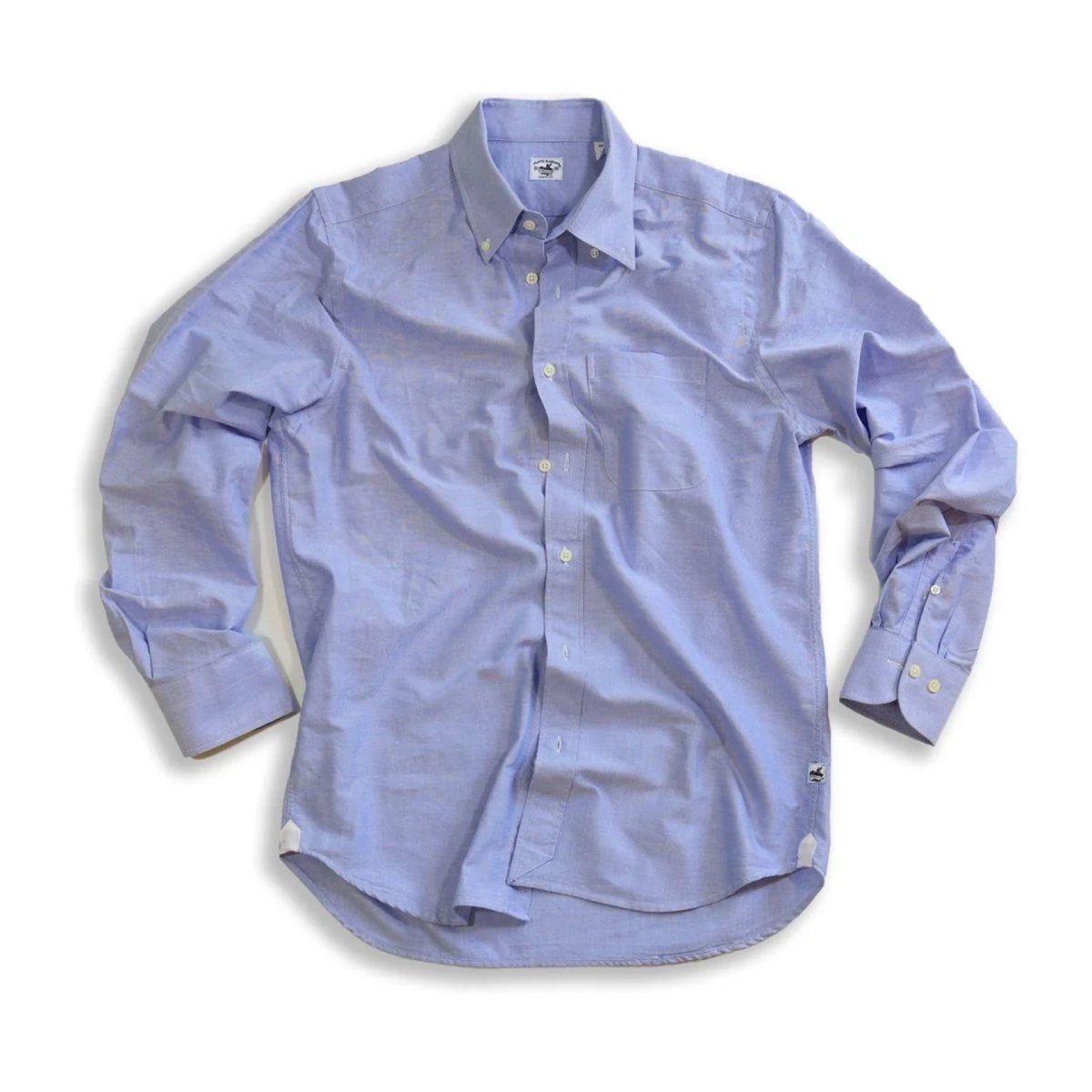


A shirt earns its place when it is the one you grab before splitting wood, running the boat at first light, or heading into town after a long day outside. In the chamois shirt vs cotton twill decision, neither fabric is a wrong answer. They are built for different kinds of work, different weather, and different preferences in hand feel.
Chamois is the warmer, softer choice when cold wind and rough mornings are part of the program. Cotton twill is the firmer, cleaner-wearing choice when you need a shirt that can take abrasion, hold its shape, and work across more of the calendar. Knowing the difference helps you buy the shirt you will actually wear hard instead of leaving it folded on a shelf.
Chamois Shirt vs Cotton Twill: The Real Difference
The biggest difference is in the weave and finish. A traditional chamois shirt is usually made from a tightly woven cotton fabric that has been brushed heavily on both sides. That brushing raises a soft nap, giving the fabric its familiar flannel-like hand and extra warmth. Good chamois is substantial, but it does not feel stiff. It feels broken in from the start.
Cotton twill is identified by its diagonal weave. Think of the dependable fabric used in field pants, work trousers, overshirts, and hardwearing button-downs. Twill tends to have a smoother face, more visible structure, and a firmer hand than chamois. It is not necessarily thin or light. A heavy cotton twill can be a serious piece of workwear, but it wears differently against the skin.
Put simply, chamois prioritizes warmth and comfort. Cotton twill prioritizes structure and abrasion resistance. The better choice depends less on which fabric is tougher in theory and more on what your day asks of it.
When a Chamois Shirt Earns Its Keep
A chamois shirt belongs in cold, dry weather and in situations where you need warmth without reaching immediately for a jacket. The brushed surface traps more air than a smooth woven shirt, so it feels warmer for its weight. That makes it a fine companion for late-season fishing, early mornings in the deer stand, chores around the property, or a walk down to the dock when the wind has some bite.
Its softness matters more than some men expect. If you wear a shirt from dawn until the woodstove is going at night, fabric comfort is not a small consideration. A well-made chamois shirt moves easily over a T-shirt, feels good at the collar and cuffs, and loses none of its usefulness when the job turns into a long day.
Chamois also has an honest, old-school look. It carries the character of camp shirts, work shirts, and cold-weather layers that have spent years around field trucks and tackle boxes. It looks right with denim, canvas pants, and boots, but it is not costume clothing. The appeal comes from the fact that it works.
There are trade-offs. The same brushed finish that makes chamois warm also means it can pick up burrs, hay, sawdust, and dog hair more readily than a smoother twill. It is generally slower to dry after a soaking rain, and it can be too warm once temperatures rise. Chamois is a cold-weather workhorse, not a one-shirt answer for July.
Best uses for chamois
Choose chamois when you want a dependable layer for crisp fall days, winter chores, camp mornings, and cool-weather travel. It shines under a waxed jacket or vest because it adds warmth without the bulk of a sweatshirt. If you run warm or spend most of your day indoors, a lighter layer may serve you better.
When Cotton Twill Is the Better Tool
Cotton twill is built for days that involve friction, movement, and changing conditions. The diagonal weave gives it a durable, work-ready character that handles regular use well. A twill shirt can stand up to shoulder straps, repeated brushing against rough timber, workshop dust, and the general punishment that comes with putting in a real day.
Because twill has more structure, it often holds a cleaner line than chamois. That makes it useful when your shirt needs to move from the truck to a meeting, a casual dinner, or a day on the road without looking rumpled. It still has grit, but it presents a little sharper.
Twill also tends to be more versatile through mild and moderate weather. A midweight twill shirt worn over a tee works well in spring and fall, and it can be worn on its own when the temperature is comfortable. Under a jacket, it creates a durable base layer without adding much insulation. For men who want fewer pieces that cover more ground, that range is worth considering.
The compromise is that a twill shirt rarely delivers the immediate softness of chamois. It may need some wear and washing before it feels fully settled in. That is not a flaw. Many of the best work garments improve with age, developing a softer hand and a record of use without losing their shape.
Best uses for cotton twill
Reach for cotton twill when you need a shirt for property work, travel, shop time, warm-to-cool weather, and everyday wear that calls for a little more polish. It is especially useful if you carry tools, wear a pack, or spend time around surfaces that would quickly rough up a softer brushed fabric.
Warmth, Durability, and Breathability
A fabric comparison is never complete without looking at the conditions that matter most.
For warmth, chamois wins. Its brushed fibers hold warm air close to the body, making it noticeably cozier than a comparable-weight twill shirt. That advantage is welcome in a cold breeze, but it can become a liability during high-output work. Splitting wood or hauling gear uphill in a chamois shirt may leave you overheated sooner than you expect.
For abrasion resistance, cotton twill usually has the edge. Its compact weave and smooth surface are well suited to rubbing, scraping, and repeated contact. Chamois can be durable too, especially in a heavy fabric with strong stitching, but its raised nap is more vulnerable to surface wear over time.
For breathability, the answer depends on weight and finish. Neither is a technical hot-weather fabric, and neither should be treated as one. Still, cotton twill generally feels less insulating and more adaptable in moderate temperatures. Chamois is best reserved for the part of the year when staying warm matters more than shedding heat.
For comfort right out of the gate, chamois is hard to beat. For a shirt that grows more capable with regular wear and can look at home nearly anywhere, twill makes a strong case.
Construction Matters as Much as Fabric
Fabric tells only half the story. A thin chamois shirt with weak seams will not outwork a well-built twill shirt, and a lightweight fashion twill will not replace real workwear. Look at the details that carry strain: sturdy stitching at the shoulders and side seams, reinforced stress points, substantial buttons, a collar that keeps its shape, and cuffs that do not give up after one season.
Fit deserves the same practical attention. A work shirt should allow room through the shoulders and back, especially if you will wear it over a base layer or reach overhead. Too trim, and it binds when you are stacking wood or rowing. Too loose, and it catches on gear and feels sloppy under a coat. A good fit has enough room to work without enough excess to get in the way.
Care also affects lifespan. Wash both fabrics in cool water when possible, avoid high heat, and do not overdo the detergent. High dryer heat can shrink cotton and make a favorite shirt feel tighter than it did on day one. Hang drying preserves fabric and fit, while a short tumble on low can soften a shirt that has dried stiff.
Which Shirt Should You Buy?
Buy a chamois shirt if your priority is cold-weather comfort, natural warmth, and the familiar feel of a shirt that wears like a favorite from the first outing. It is the one for frosty porches, late fall weekends, and layering beneath outerwear when a standard flannel feels too light.
Buy a cotton twill shirt if you need one shirt to handle regular work, travel, shoulder-season weather, and a cleaner everyday appearance. It is the more structured, more abrasion-ready option, particularly for men who expect their clothes to see workshop dust, truck seats, pack straps, and long miles.
Many men are best served by owning both. A heavy chamois shirt covers the cold end of the season, while a sturdy cotton twill shirt handles the long stretch between jacket weather and summer heat. They are not rivals so much as two dependable tools in the same chest.
Choose the fabric for the day ahead, then wear it long enough to make it yours. The best shirt is not the one that looks untouched after a season. It is the one that still fits right, feels right, and is ready when the work starts again.