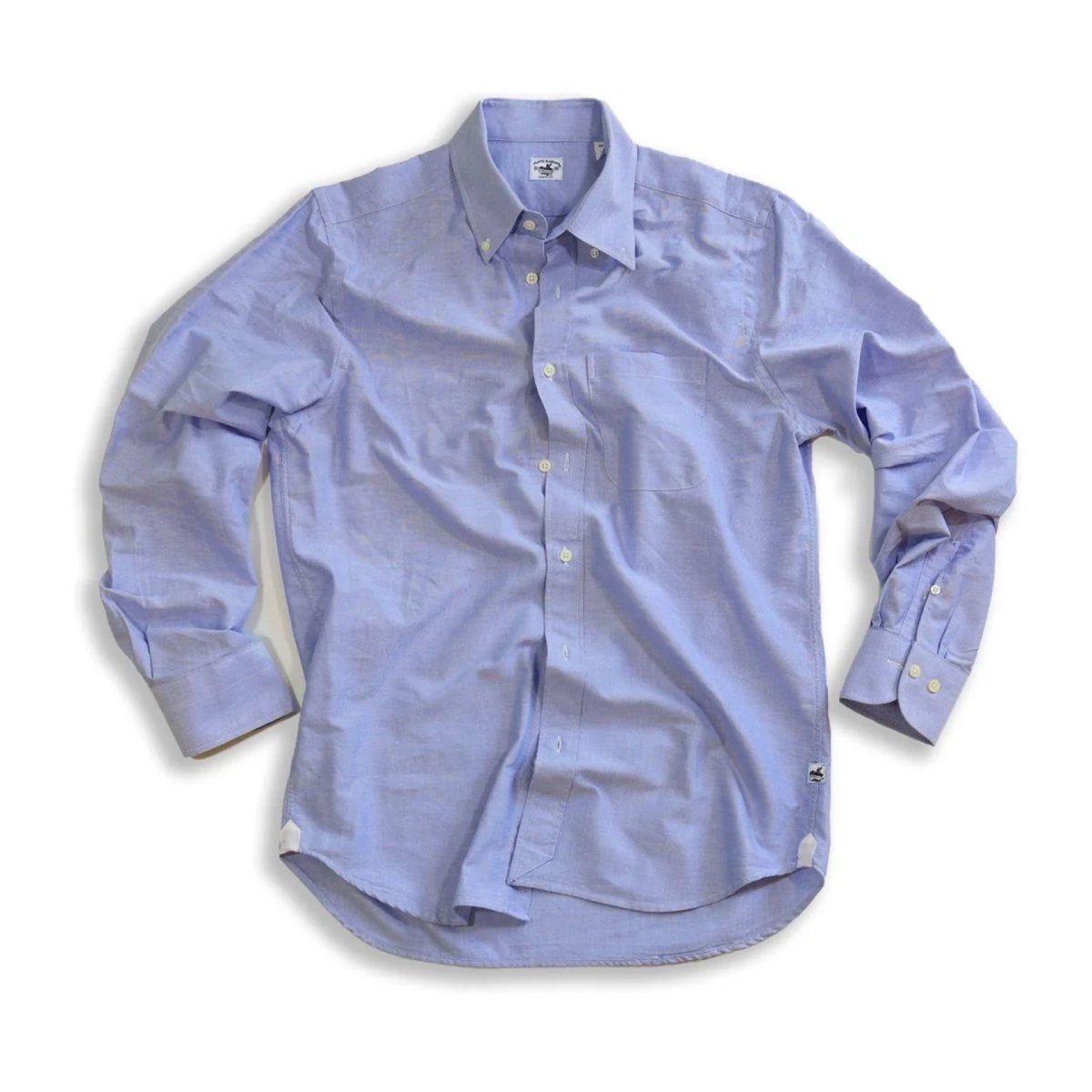


A shirt that looks good on the rack but gives up after one hard season is not a bargain. Durable fashion is built for a different standard: clothing that handles wet docks, cold mornings, sawdust, brush, dog hair, long drives, and the ordinary wear of a life lived outside.
That does not mean every piece needs to feel stiff, heavy, or overly technical. It means the material, construction, and fit have a job to do. A well-made field shirt should still look right at a diner after a day on the water. A waxed jacket should turn weather without becoming a costume. Good clothing earns a place in the truck, the mudroom, and eventually the regular rotation because it keeps showing up.
What Durable Fashion Really Means
The phrase gets used loosely. A heavy garment is not automatically a durable one, and a high price tag does not guarantee long service. Real durability comes from a combination of honest materials, sound construction, useful design, and the ability to maintain the item when it takes a beating.
Start with the fabric. Natural fibers such as cotton, wool, leather, and canvas have long histories in working clothing because they wear in rather than simply wear out. Dry-waxed cotton, for example, can shed drizzle and wind while remaining quieter and more comfortable than many slick synthetic shells. Wool keeps working when conditions turn damp, and full-grain leather develops character as it takes on scuffs, oil, and weather.
Synthetic fibers have their place, especially where quick drying, stretch, or low weight matters. The question is whether they support the garment's purpose. A lightweight fishing layer can benefit from nylon. A hard-use overshirt may be better served by substantial cotton twill. Durable fashion is not a vote for one fiber over another. It is choosing the right material for the work at hand.
Construction matters just as much. Look for clean, consistent stitching, reinforced stress points, sturdy seams, substantial pocket bags, and hardware that feels made to be operated with cold fingers. Buttons should be securely attached. Zippers should run cleanly and sit behind a storm flap when weather protection is part of the job. On pants, inspect the seat, inseam, knees, and belt loops. Those are the places that tell the truth after a year of use.
Buy for Use, Not for a Fantasy
The easiest way to make better clothing decisions is to be honest about where your gear will spend its time. A man who walks a dog before sunrise, works around a shop, travels for business, and fishes on weekends needs different things than a backcountry hunter or a full-time ranch hand. There can be overlap, but not every garment needs to solve every problem.
A jacket for coastal weather should account for wind and damp air. A work shirt needs room through the shoulders and enough length to stay put when reaching overhead. Pants worn around rough wood, tools, and brush need fabric that resists abrasion without binding at the knee. If the garment cannot move with you, it will get left behind, no matter how well it is made.
This is where classic design earns its keep. A straightforward wool sweater, waxed cotton coat, chambray shirt, or hard-wearing pair of canvas pants does not rely on a short-lived trend to remain useful. The colors tend to be practical. The pockets have a reason to exist. The fit leaves room for a base layer or a full day's movement. Years from now, the right piece still looks like it belongs.
There is a trade-off. Heavier fabrics often take longer to break in and may feel warmer than you want in mild weather. Waxed cotton requires occasional reproofing. Leather needs care and can be heavier than modern alternatives. Those are not flaws. They are part of owning materials designed for long service. The goal is not zero maintenance. The goal is a garment worth maintaining.
How to Spot Durable Fashion Before You Buy
Photos can show style, but they rarely tell the whole story. Read the material description closely and look past broad claims such as “premium” or “rugged.” Specific details carry more weight: fabric weight, fiber content, lining material, reinforced panels, hardware type, and whether the maker explains how the garment is meant to fit and wear.
Pay attention to the parts that take the most abuse. On outerwear, that includes cuffs, collar edges, zipper areas, pocket corners, and the back of the shoulders. On shirts, look at the collar stand, elbows, placket, and button attachment. On boots and leather goods, study the thickness of the leather, stitching around the high-stress areas, and whether the item can be cleaned, conditioned, resoled, or repaired.
Fit is durability, too. Clothing that is too tight across the back or thighs puts strain on seams. Sleeves that are too short leave wrists exposed and tend to ride up during work. A coat that is cut too trim for layering may be fine for town but useless when the temperature falls. Use the size chart, compare measurements to a garment you already trust, and consider how you will wear the piece in the real world.
A good guarantee is worth considering, but it should not replace your own judgment. The strongest brands stand behind their work because they expect it to last, not because they expect customers to use a return policy as a repair shop. Look for companies that speak plainly about materials, care, sizing, and what their products are built to handle.
Build a Smaller, Harder-Working Wardrobe
A durable wardrobe usually begins with fewer pieces, not more. Start with the layers and accessories you reach for most often: a dependable coat, two or three hardworking shirts, a sweater or fleece for cold days, well-built pants, capable footwear, and a belt or bag that will not fail when loaded down.
Choose pieces that work together without trying too hard. Earth tones, deep blues, weathered greens, charcoal, brown, and natural canvas colors have stayed relevant because they handle dirt well and pair easily. That makes getting dressed simpler, but it also gives each item more time in service.
Rotation helps. Even excellent boots and outerwear benefit from time to air out and dry between uses. Two solid work shirts will often outlast one shirt worn hard every day, not because either is weak, but because fabric, stitching, and insulation last longer when they can recover from sweat and moisture.
This approach also changes how you think about cost. The purchase price matters, but cost per wear tells the better story. A jacket worn for five cold seasons, repaired once, and passed along still has value long after a cheaper replacement has filled a landfill. Buy the best version you can reasonably afford for the job you actually do.
Care Is Part of the Deal
Hard-wearing clothing is not indestructible. Dirt, sweat, salt, and body oils can shorten the life of even the best fabric if they are left to sit. Brush off mud, rinse saltwater exposure, empty pockets, and hang wet garments where air can move around them. Let boots dry naturally, away from direct heat that can crack leather or weaken adhesives.
Wash only as often as the garment needs, and follow the care instructions. Overwashing breaks down fibers and finishes. Underwashing lets grime grind into the material. Mend a loose button before it disappears. Patch a small tear before it catches on a nail and becomes a ruined sleeve. Reproof waxed cotton when water stops beading on the surface, and condition leather when it begins to look dry rather than waiting for it to split.
The best pieces carry evidence of the life around them: a softened cuff, a darkened leather handle, a faint mark from a boat rail or workshop bench. That patina is not neglect. It is the record of useful things being used. Choose clothing you will be glad to repair, then give it enough honest work to make the wear your own.