

A waxed jacket should not look like it came straight from a costume rack. Neither should a pair of heavy duck canvas pants. The point of learning how to style heritage workwear is to build a dependable uniform from clothes that have a reason to exist - clothes that handle a cold dock, a split stack of firewood, a long drive, and a decent dinner afterward.
Heritage workwear draws its strength from old trades, ranches, workshops, shipyards, and field camps. But good style is not about reenacting any of them. It is about choosing honest materials, a sound fit, and enough restraint that the clothes look worn in rather than dressed up.
Start With a Working Foundation
The best heritage workwear outfits begin with the pieces closest to the job. That does not mean every day needs a job site. It means the clothes should feel capable, even when your day involves an office, the hardware store, and a few hours outside.
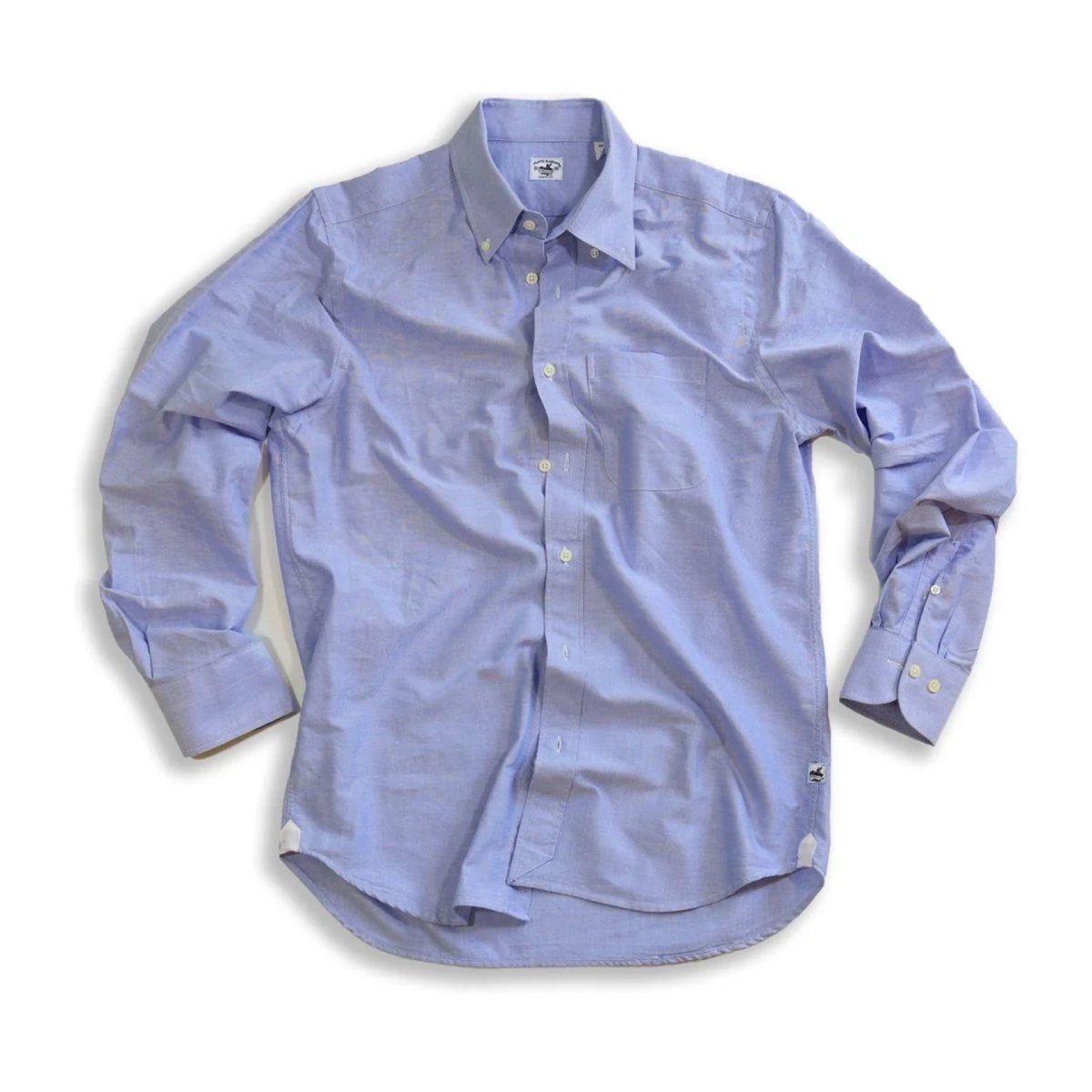
Start with a well-made shirt, sturdy pants, and footwear with real traction and support. An Oxford cloth button-down, a brushed flannel, a chambray work shirt, or a heavyweight tee all give you a solid base. For pants, reach for straight-leg denim, cotton duck canvas, fatigue pants, or a moleskin trouser when the weather turns cool.
Fit matters more than labels. Pants should have enough room through the seat and thigh to move comfortably, but not so much fabric that they puddle around your boots. A shirt should leave room for a layer underneath or over it without pulling at the shoulders. Heritage clothing was built for motion, and a fit that is too slim works against the whole purpose.
Avoid stacking every familiar workwear detail in one outfit. Raw denim, a red plaid flannel, a trucker cap, a giant belt buckle, and heavy logger boots can quickly look like a uniform assembled for effect. Pick two or three workwear signals and let the rest stay simple.
Choose Fabrics That Earn Their Character
Heritage workwear looks right when materials are allowed to do what they do. Canvas softens at the knees and elbows. Full-grain leather darkens where your hands touch it. Dry-wax cotton picks up creases and scuffs that tell the truth about where it has been. These changes are not defects. They are the record of use.
That is also why fabric weight should follow the season and the task. Heavy duck canvas and wool are excellent in late fall and winter, but they can make no sense on a humid August day near the water. In warmer weather, turn to lighter chambray, cotton poplin, canvas shorts, or sturdy cotton jersey. The heritage element comes from construction and utility, not from wearing the heaviest thing in the closet.
Natural fibers generally age better and look more at home in this category, though a small amount of stretch can be useful in work pants that see a lot of climbing, kneeling, or driving. The trade-off is simple: pure cotton and wool often develop more character, while technical blends may offer easier movement and faster drying. Choose based on how you will actually wear the garment.
Build Layers With a Clear Purpose
Layering is where heritage workwear becomes especially useful. A good system lets you adjust to a cold morning, a warmer afternoon, and a windy ride home without changing your whole outfit.
A practical cold-weather combination might start with a heavyweight pocket tee or thermal henley, followed by a flannel or wool shirt, then a waxed cotton jacket. If conditions call for more insulation, add a wool sweater or lined vest between the shirt and outer layer. Each piece should work on its own when the temperature changes.
Keep the proportions in order. A short trucker-style jacket works well over a shirt that ends around the hip. A longer field coat needs cleaner layers underneath so the outfit does not become bulky through the middle. If you wear a substantial coat, choose a trimmer pant. If your pants have a fuller, straight cut, a shorter jacket often brings the balance back.
Color can do much of the work. Navy, olive, tobacco, charcoal, natural canvas, faded blue, and brown leather belong together because they come from the same practical palette. Start with two neutrals, then use one muted color for contrast. A navy overshirt, faded denim, and brown boots will carry you through most casual settings without much thought.
Footwear Sets the Tone
Boots are often the first thing people notice in a workwear outfit, and they can either ground the look or turn it theatrical. Choose boots that match the ground you cover.
A plain-toe leather work boot is a steady all-around choice for denim and canvas pants. A moc-toe boot brings more old-school utility and looks especially good with straight-leg jeans. A lower leather shoe or sturdy chukka is better when you need something quieter for a casual office, dinner, or travel day. In wet weather, a waterproof boot earns its keep, but it does not need to look oversized or aggressively technical.
Let your pant break work with the boot rather than hiding it. A straight leg should fall cleanly over the shaft with a slight break, or sit just above it with one deliberate cuff. Avoid tall, fussy stacks of denim at the ankle. One clean cuff is enough if you want to show the edge of a selvedge jean or keep a wet hem off the ground.
Leather needs care, but it should not look polished beyond recognition. Brush off dirt, condition it when dry, and let it carry a few marks. A boot that is maintained and plainly used has more authority than one kept spotless for photographs.
How to Style Heritage Workwear Beyond the Workshop
The real test is whether these clothes can leave the workshop, field, or boatyard without looking out of place. The answer is usually in the finish of the outfit, not the number of workwear pieces you wear.
For a casual weekday, pair dark straight-leg jeans with a chambray shirt, brown leather boots, and a canvas or waxed jacket. The shape is classic, but the dark denim and clean shirt keep it put together. For cooler weekends, trade the chambray for a flannel and add a wool vest if you will be outdoors for long stretches.
For a more polished setting, use heritage fabrics in quieter forms. A navy wool sweater over an Oxford shirt, olive canvas pants, and clean leather boots can pass easily from a client meeting to a late afternoon at the marina. Leave the distressed graphics, excessive patches, and novelty accessories at home. Utility does not need an announcement.
At Atlantic Rancher, that balance is central: hard-use materials and practical construction, made for men who expect their gear to hold up and still look right when the day changes course.
Let the Clothes Become Yours
The best heritage workwear is collected slowly. A trusted jacket, two or three good shirts, dependable pants, and a pair of boots you have broken in properly will serve you better than a closet full of themed pieces. Buy for the life you lead now, not for a version of yourself built around a photograph.
Give new garments time. Waxed cotton can feel stiff at first. Heavy denim can take months to settle into its natural shape. Leather boots may need a careful break-in period before they become the pair you reach for without thinking. That early effort is part of the bargain for clothes made to last.
Wear the jacket in bad weather. Carry lumber in the canvas pants. Keep the flannel in the truck for a cold turn after sundown. When each piece has done some honest work, style takes care of itself.